
Diaphragm Sprayer RFQs: Define the Supplied Kit
A diaphragm sprayer RFQ should name the selected model and list the complete supplied kit rather than assuming every accessory is included. Ask the supplier to identify the machine, hoses, spray gun, nozzle components and documents actually offered. Keep alternatives and optional items on separate lines, then compare quotations using the same model and inclusion schedule.
A catalogue machine photograph can show the frame and pump clearly while leaving the commercial supply scope unanswered. A purchasing team needs to know whether an offer concerns a machine alone or a defined kit. This guide develops that quotation record for diaphragm pump sprayers. It does not infer pressure, coating suitability, productivity or compatibility from the photographed machine.
1. Identify the machine before listing extras
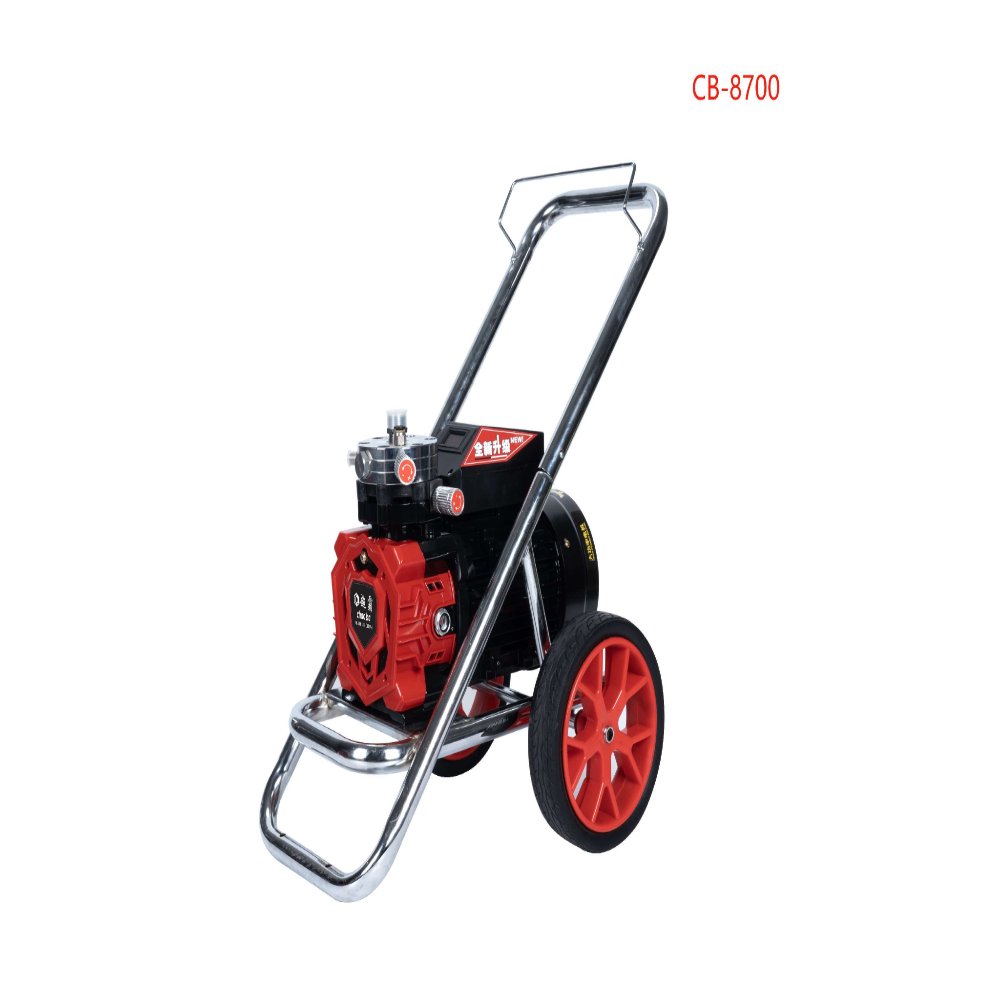
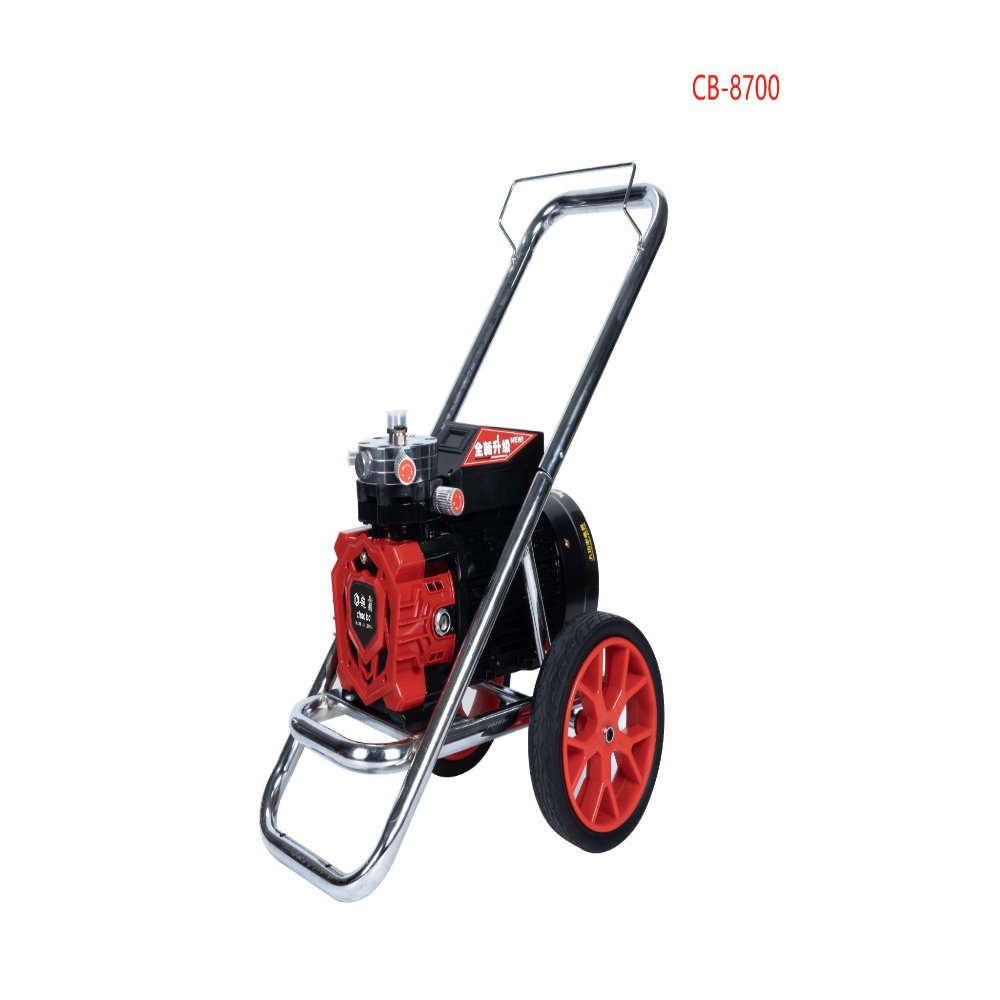
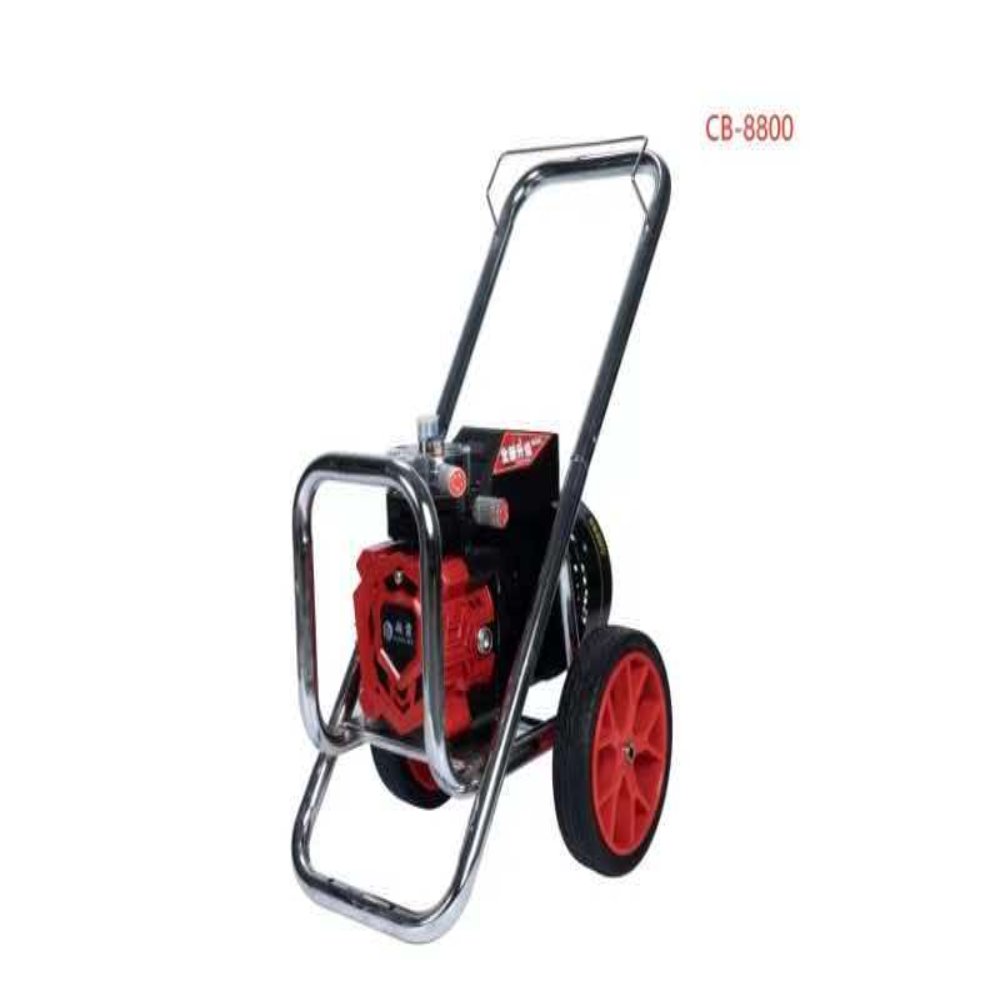
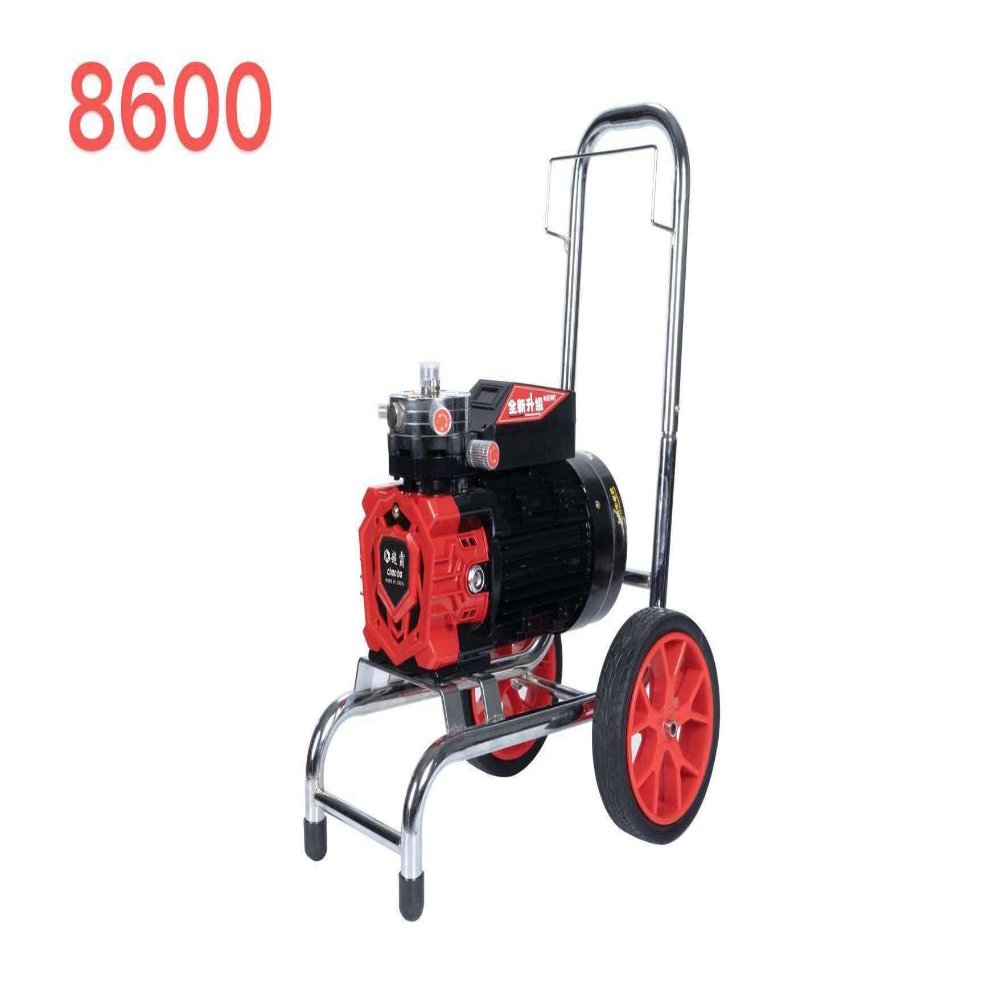
Chaoba lists a diaphragm pump sprayer family with several machine references in its gallery. Give the exact proposed model its own RFQ line and retain the supplier’s model description. Do not compare two offers as the same machine merely because they share a red pump housing, wheeled frame or broad product family name.
Attach the catalogue reference and ask the supplier to identify which pictured version corresponds to the offer. If the proposed configuration differs from the gallery image, request a written explanation and an updated reference. Appearance can identify a candidate, but it cannot establish the internal pump specification or the complete commercial contents of a shipment.
Official catalogue reference: diaphragm pump sprayer catalogue.
2. Write the inclusion schedule explicitly
Create separate fields for the machine and any requested hoses, gun, nozzle components, fittings or other accessories. Ask the supplier to mark each field included, optional, excluded or awaiting clarification. These are enquiry fields, not a claim that every component belongs in the supplier’s standard kit or that the pictured machine includes them.
For every included accessory, request the identifying reference needed to tie it to the proposed machine. A description such as one hose does not establish its exact construction or suitability. Leave specifications and compatibility pending until the supplier confirms them for the selected combination. Do not fill an unanswered field with a value taken from another model.
- Identify the exact machine model and proposed version.
- List requested accessories without assuming inclusion.
- Ask for configuration-specific compatibility information.
- Compare the same complete kit or machine-only unit basis.
3. Keep compatibility questions visible
Ask the supplier to confirm the intended component combination and provide the relevant product information. Keep this response linked to the machine model and kit revision. A spray gun, nozzle or hose can look plausible beside a sprayer without being established as an approved combination for that machine and proposed application.
Provide the supplier with the buyer’s intended application information and ask which requirements need a technical review. Do not turn a general catalogue phrase about maintenance or cost into a measured result or a suitability guarantee. Any required performance, operating or application information must identify the exact offered configuration and its supporting evidence.
| Enquiry line | Supplier response needed | Reference to retain |
|---|---|---|
| Machine | Exact model and offered version | Model description and selected image |
| Accessories | Included, optional or excluded | Identified component schedule |
| Combination | Confirmation for proposed kit | Relevant supplier technical response |
| Documents | Items supplied for this version | Manual and document revisions |
4. Make the quotation basis comparable
State whether the requested quantity refers to complete kits, machines without accessories, or separately itemised components. Ask the supplier to repeat that unit basis on its quotation. An apparently lower amount is not a useful comparison if one offer includes a defined accessory schedule while another only covers the machine.
The table below provides a consistent enquiry structure. It contains no assumed standard contents, commercial values or technical ratings. Record supplier alternatives as separate responses against the original request. This keeps an optional component or replacement model from silently changing the basis of comparison while the purchasing team reviews the offer.
5. Link the sample and documents to the kit
If a sample or demonstration machine is proposed, ask whether its supplied contents match the quoted kit. Record any demonstration accessory that is not part of the bulk offer. Keep the model identity, component schedule and relevant documentation under one revision so an appearance review cannot accidentally approve a different commercial configuration.
Before ordering, return the resolved schedule with the selected model and requested quantities. Ask for acknowledgement of any remaining exclusions or alternatives. Minimum quantity, price, delivery and service terms require a direct current response. The catalogue establishes a family to discuss; the completed enquiry and supplier confirmation establish what the proposed offer actually covers.
Frequently Asked Questions
Does a machine photograph define the complete supplied kit?
No. It identifies a catalogue presentation. Ask for a line-by-line schedule showing which machine, accessories and documents the quotation includes.
Can a hose or gun be selected by appearance alone?
Do not use appearance as compatibility evidence. Request identifying specifications and supplier confirmation for the exact machine and proposed combination, with appropriate technical review where needed.
Does one demonstration accessory become part of the bulk offer?
Only if the commercial schedule confirms it. Record demonstration items and optional components separately so the sample and quotation scopes can be reconciled.
For a product-specific enquiry, diaphragm pump sprayer catalogue is the catalogue starting point. Read the supplier blog and contact the supplier with the references and open questions described above.